GOOD,
BAD
OR UGLY?
A PARTICIPATORY WORKSHOP MAPPING ETHICAL
AND PROBLEMATIC GenAI PRACTICES IN HIGHER EDUCATION
21st EUROPEAN CONFERENCE ON TECHNOLOGY ENHANCED LEARNING (ECTEL 2026)
15 September 2026 | Valencia, Spain
You classify. You debate.
The results feed directly into the ETHICAI framework.

JOIN US IN VALENCIA ON 15 SEPTEMBER 2026!
- The rapid integration of GenAI in higher education has outpaced our collective understanding of how these tools are actually being used. Without a systematic mapping of existing practices, ethical frameworks risk being developed in isolation from classroom realities. This workshop mobilises the collective experience of participants to identify the practices, tensions, and decision points that should anchor the ETHICAI framework.
✅
The Good
Ethically sound, pedagogically
valuable GenAI use
⚠️
The Bad
Questionable or uncritical
GenAI integration
❌
The Ugly
GenAI implementations

CALL FOR CASES
Have you encountered an interesting case of GenAI use in formal or informal learning settings?
The case could be something that you have personally encountered in your practice or something that you have read or heard about.
SUBMIT YOUR CASE HERE!
TARGET GROUPS
Researchers & Educators
Instructional Designers
Institutional Leaders
Policy Actors & SIG Members
💡Prior use of GenAI is welcome but not required. Participants may also contribute observed institutional cases or policy examples.
WORKSHOP AUTHORS
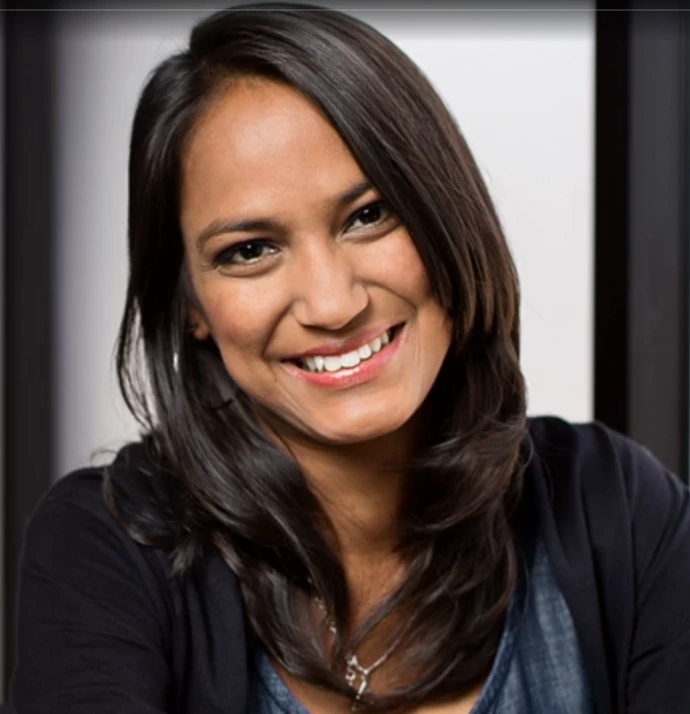
Bhoomika Agarwal
Bhoomika Agarwal is a PhD candidate at the ECO-lab of the Open University of the Netherlands. Her PhD aims to create an Ethical Framework for Artificial Intelligence in Education. Hailing from a background in computer science but currently working at the intersection of AI, ethics and educational technology, she aims to bring a unique multidisciplinary perspective to her work and this research. Besides her PhD, she likes to dabble in coding, poetry, origami and reading books.

Alessandra Antonaci
Alessandra Antonaci serves as Deputy Coordinator of the ETHICAI project and leads the Quality Assurance, Communication, and Dissemination activities. With expertise in project coordination, stakeholder engagement, and strategic communication, she contributes to the successful implementation and visibility of EU-funded initiatives. She is particularly interested in fostering ethical and innovative approaches to AI, supporting impactful research outcomes, and promoting sustainable knowledge exchange within higher education and digital transformation initiatives.

Natalia Spyropoulou
EXPECTED OUTCOMES
Categorised inventory of GenAI practices
A structured mapping of GenAI-in-HE practices contributed by participants: organised by educational function and classified as good, bad, or ugly.
Preliminary evaluative criteria
A first set of pedagogical, ethical, and organisational criteria that distinguish ethically sound from problematic GenAI implementations feeding directly into the ETHICAI framework.
Post-workshop summary report
A short summary report shared with all participants and the broader ETHICAI community after the workshop.
WORKSHOP PROGRAMME
①
②
③
④
⑤
Welcome & ETHICAI Introduction
Provocation pairs & practice contribution
Participants react to provocative statements on GenAI, then contribute concrete examples using sticky notes or a digital whiteboard — clustered around assessment, teaching, governance, and student support.
Good / Bad / Ugly classification
Small groups classify examples and justify their choices — identifying key pedagogical, ethical, organisational, and policy factors.
World Café rotation
Groups rotate to review and comment on each other's classifications — surfacing tensions and contrasting interpretations.
Plenary synthesis & live vote
Collective reflection and live vote on the most important criteria for evaluating GenAI practices — with implications for the ETHICAI framework.
Joining ECTEL 2026?
Come to our workshop and help shape the future of
ethical GenAI use in European higher education.
REGISTER FOR ECTEL 2026 CONTACT ETHICAI